
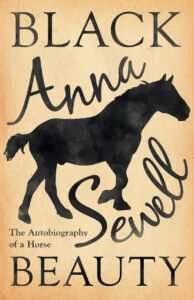
 As a child I loved Black Beauty.
Perhaps, just as much, I loved the classic theme music of Black Beauty (galloping home) by Denis King. This was a continuation of the original TV program aired from 1972 – 1974. How I enjoyed the New Adventures of Black Beauty some twenty years after the original series.
Many years later, I realised Anna Sewell was born at Great Yarmouth.
I’ve visited this small Tudor-style house on Church Plain, just a stone’s throw from St Nicholas’ Minster. The house has previously been a restaurant, shop, Christian charity offering free meals and a place of safety, tearoom and lately in the guardianship of Redwings Horse Sanctuary which is the largest horse welfare charity in the UK. In fact, they have cared for more than 1,500 horses, ponies, donkeys and mules.
The house was purchased by a fan of Black Beauty and Redwings after fears it was going to be purchased, dismantled and rebuilt in the USA.
This is the birthplace of Anna Sewell.
Personally, my association with Great Yarmouth is through my Dad’s love of horse racing. And it should come as no surprise that Anna Sewell was a pioneer when it came to highlighting animal welfare.
The daughter of a Quaker family, she was born in 1820. Her father was a successful and prominent banker and her mother a writer who had a number of children’s books published. The family moved to London when she was 14. She was seriously injured when falling and suffered ankle injuries which meant she needed crutches for the rest of her life. The family used a horse and carriage for transport and from this she grew empathetic to the suffering of animals which inspired her only novel in her late 50s titled Black Beauty: His Grooms & Companions.
Published in 1877, she sadly passed away just a few months later although saw her beloved book a success.
Black Beauty is written in the first person and a narrative from the perspective of the horse detailing the mistreatment and care of horses in the 19th century. It was Sewell’s intention to raise awareness of animal welfare, suffering and promote kindness to animals.
The novel quickly gained popularity. Although written for adult horse owners it become a classic title for children’s literature and had a significant impact on the treatment of horses.
Just five months after publication, Anna Sewell passed away on the 25th April 1878. She was aged 58. She is buried in a Quaker cemetery at Lammas, near Buxton.
Black Beauty has never been out of print and sold over 50 million copies and inspired many TV and stage productions.
Her legacy is advocating the humane treatment of animals.
Anna Sewell House is open every Wednesday and Friday at 10am – 2pm (entry is free).