
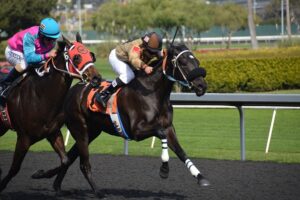
 So you like a bet.
There’s nothing wrong with a little flutter. For many, betting at the races adds to the enjoyment. You have even more reason to shout to the rafters when you win a few quid. If you’ve bet on a 50/1 winner you have a day to remember.
Perhaps the best maxim is one my Dad said: ‘Bet what you can afford to lose.’
It’s probably about as wise comment as you get.
Clearly, this relates to discipline.
Perhaps you are Major Stevens and your life revolves around discipline, method and process. You’re the kind of bloke who cleans his shoes before putting them on and returns the polish and brush back in the cupboard under the stairs. Alternatively, you may be devoid of any responsibility or self awareness. There you are polishing your shoes as you wear them, your white socks blackened, you leave the utensils for someone else to put up.
People are different, hey?
It’s surprising how an intelligent person’s brain turns to jelly when they bet. It’s like they’ve had the last few drops of rationality drained from their body.
This is the problem with gambling small change: it’s a gateway to betting more. Without discipline and responsibility it can be a disaster waiting to happen.
I’ve always been concerned about what some call a ‘fun bet’. Losing money shouldn’t be fun but, I guess, it can be an expense worth paying for that rush of dopamine.
If betting fixed odds, such as slots, roulette, blackjack among other games, you will be eternally betting for fun because long term you are guaranteed to lose. The house cut will take its toll on those who are ‘born lucky’.
In truth, skill-based sports offer an opportunity to beat the layer (bookmaker). But it only happens if you have more knowledge. That has nothing to do with luck, fun or whatever you want to fool yourself into thinking.
Consider the expertise of a chess grandmaster. They wouldn’t fear playing just about anyone. Every successful person, skill-based gambler, investor, business owner, sets themselves apart because they are more skilful. They have found the answer to the question. Lots of questions. They have an understanding based on success.
I often go to a horse racing meeting and don’t bet. I’m not sure what percentage of the population does the same but I imagine it is small.
If you have to bet, then bet what you can afford to lose. However, if you have any realistic hope of winning money (luck doesn’t cut much ice) then you need to build your knowledge to be better than most.
If it all seems too much trouble and ‘it’s just a little fun’ then carry on regardless but draw a line in the sand.
Take heed of this advice, don’t bet without discipline because you may well find you have lost more than you bet.
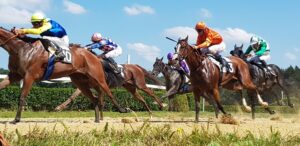 In many ways, the training of thoroughbred horses hasn’t changed much over the years. In its most simplistic form it is about making sure a horse is fit and ready for its intended race. However, in this modern age of horse training, the use of technology and data analysis has become an important tool to gain advantage over the opposition.
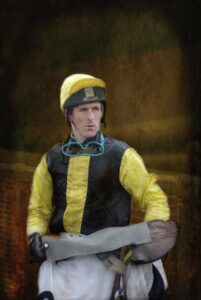 Nowadays, the historic National Hunt Challenge Cup Chase, which was inaugurated in 1860, is run over 3 miles, 5 furlongs and 201 yards on the Old Course at Cheltenham, having been shortened from its previous distance of 3 miles, 7 furlongs and 147 yards in 2020. The traditional ‘four miler’ remains an amateur riders’ novices chase and, since 2017, has held Grade 2 status, but the qualifying criteria for horses and jockeys are stricter than was once the case.
 Born on May 23, 1993, Joseph O’Brien is the elder son of Ballydoyle legend Aidan O’Brien and first rose to prominence as a Flat jockey, riding predominantly for his father, between 2009 and 2015. O’Brien Jnr. rode his first winner, Johann Zoffany – subsequently transferred to Australia and renamed ‘Muir’ – at Leopardstown on May 28, 2009, just five days after his sixteenth birthday.